Visualizer
Wheel Visualizer by Vehicle
Find your car, get its real fitment numbers, then see aftermarket wheels on a photo of it — free, in your browser.
Pick your vehicle
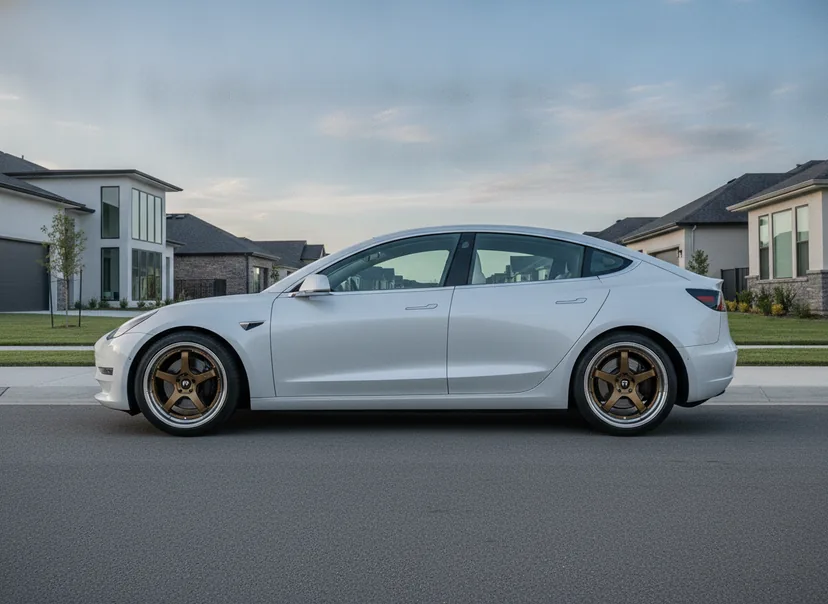 5x114.3 · 18–20″ OEM
Tesla Model 3 Wheel Visualizer
One bolt pattern from 2017 to the current Highland — plus the free aero-cap change, the 18-vs-19 range math and the staggered Performance setup.
Open the visualizer →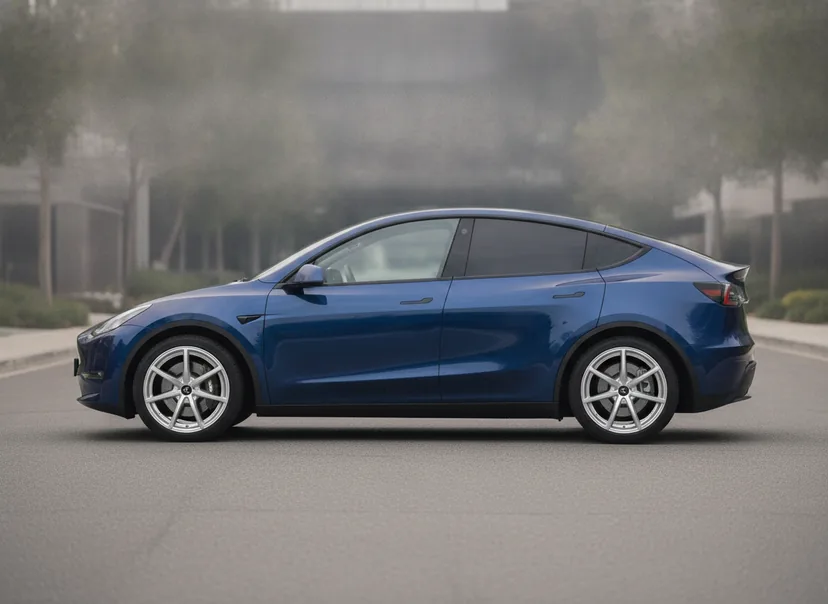 5x114.3 · 18–21″ OEM
Tesla Model Y Wheel Visualizer
The Model 3's hardware under a taller body: Gemini covers, 20″ Induction wheels and the 21″ ride-quality question.
Open the visualizer →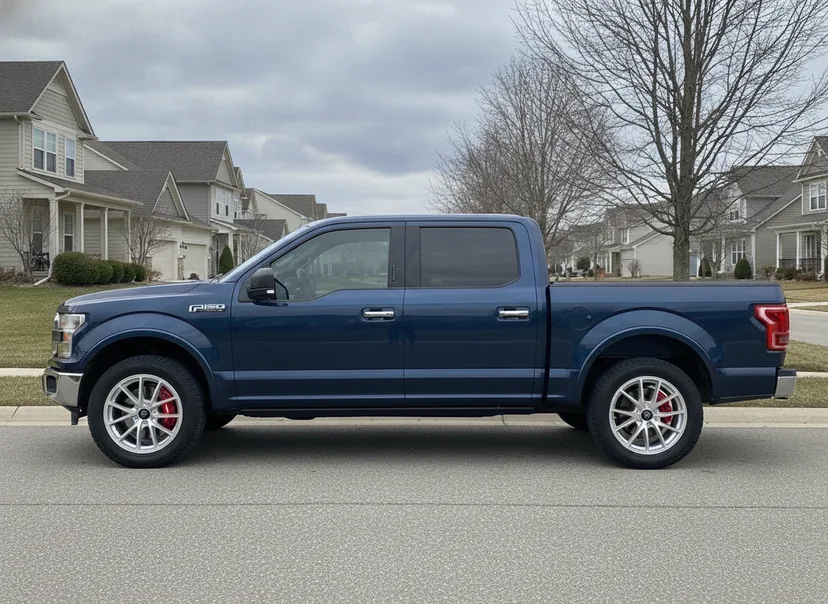 6x135 · 17–22″ OEM
Ford F-150 Wheel Visualizer
Six-lug fitment, leveling-kit stance, and how far tire size can go before the fender has an opinion.
Open the visualizer →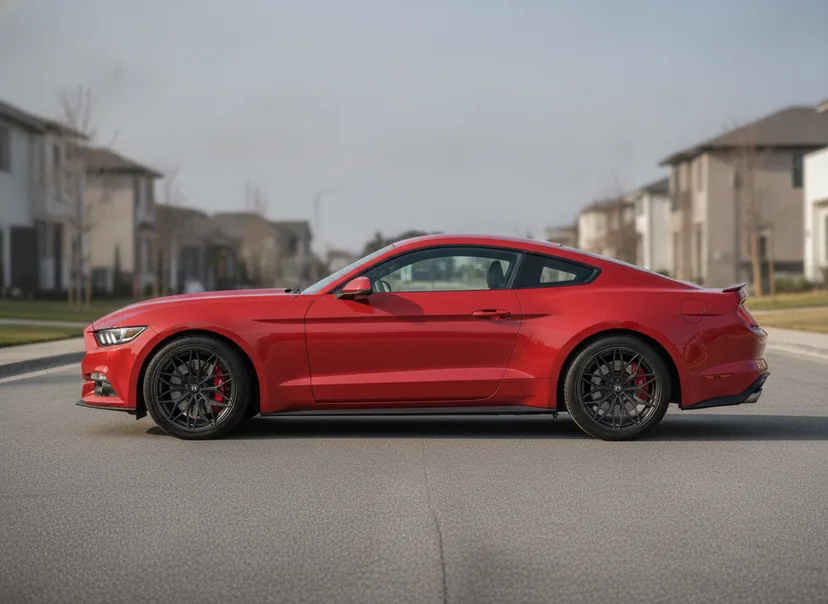 5x114.3 · 17–20″ OEM
Ford Mustang Wheel Visualizer
S550 and S650 fitment, the wide-square versus staggered debate, and brake clearance on Performance Pack cars.
Open the visualizer →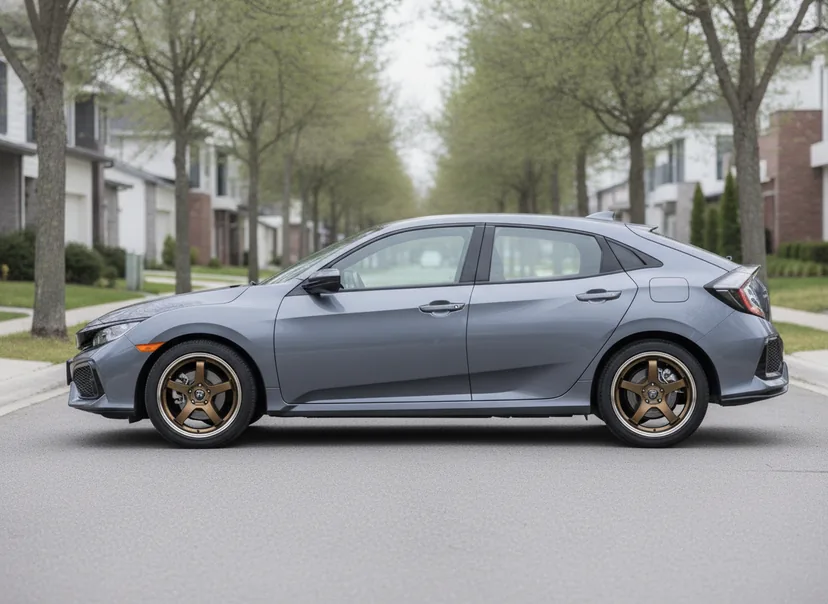 5x114.3 · Type R 5x120
Honda Civic Wheel Visualizer
One pattern across almost the whole lineup — with the Type R exception that catches buyers out on the used market.
Open the visualizer →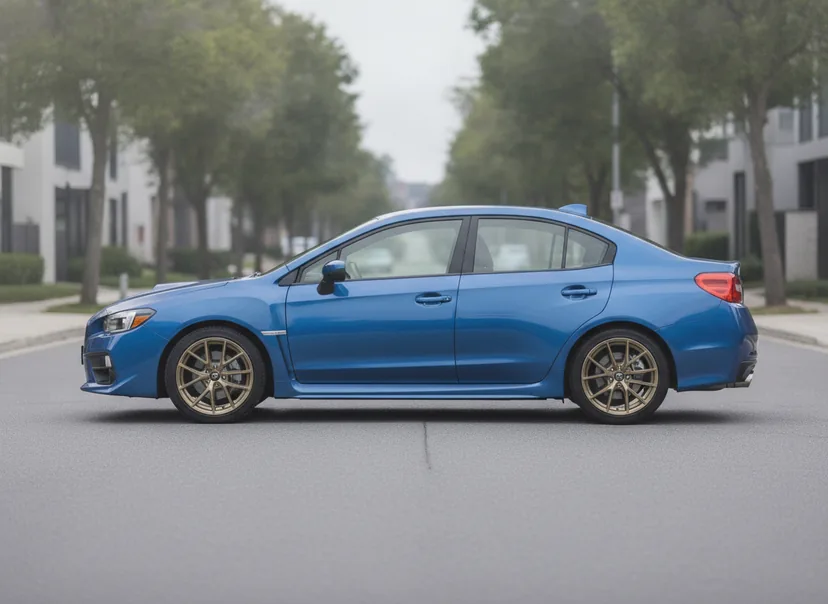 5x114.3 · 5x100 pre-2015
Subaru WRX Wheel Visualizer
The 5x100 to 5x114.3 changeover, the factory 18″ setup, and what owners actually run on the current car.
Open the visualizer →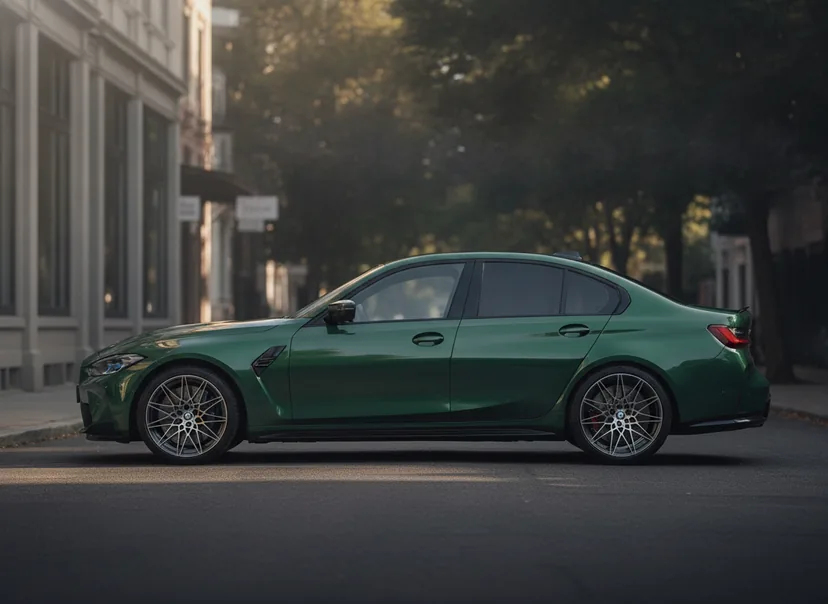 5x112 (G80) · 5x120 (older)
BMW M3 Wheel Visualizer
The pattern changed between generations, which makes buying used wheels the single easiest way to waste money here.
Open the visualizer →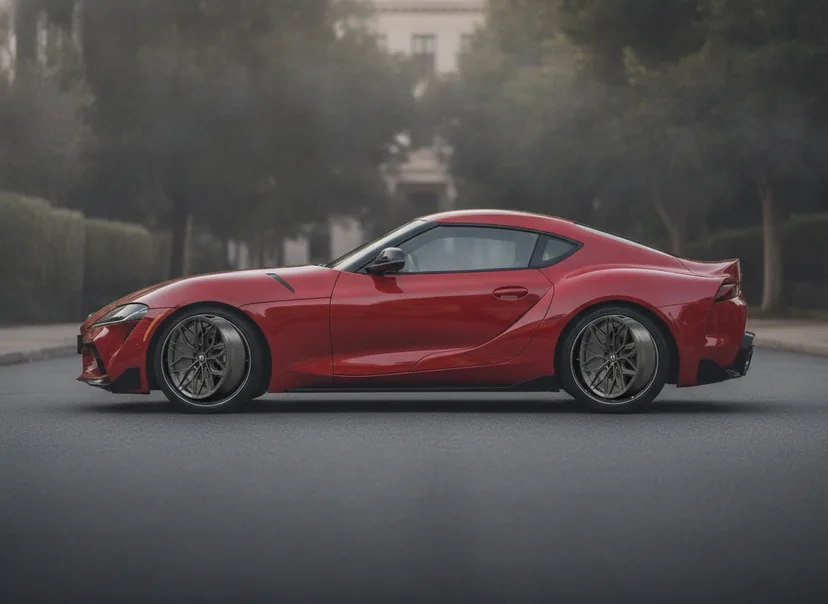 5x112 · BMW platform
Toyota GR Supra Wheel Visualizer
BMW-spec fitment on a Toyota badge, factory staggered 19s on the 3.0, and why track-day owners go square.
Open the visualizer →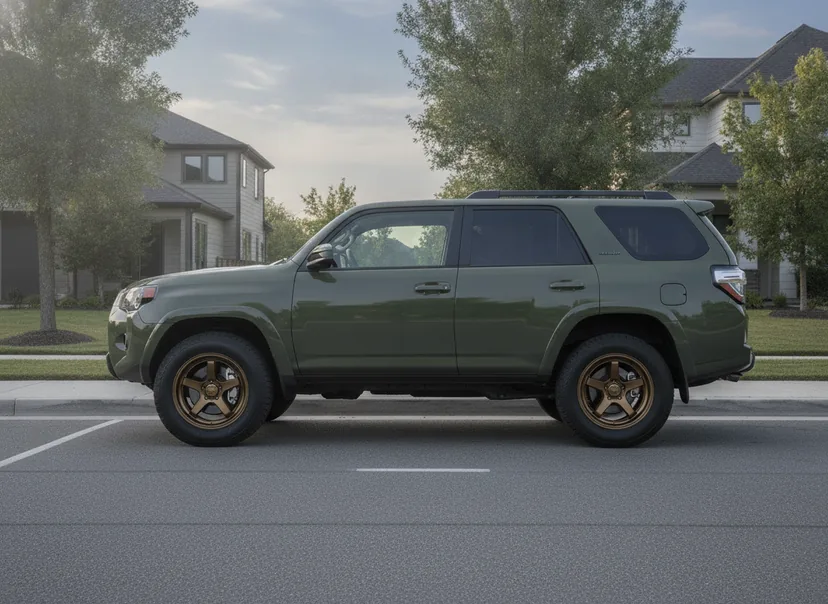 6x139.7 · 17–20″ OEM
Toyota 4Runner Wheel Visualizer
Six-lug fitment, the classic 17″ off-road setup with taller tires, and the 20″ Limited look at the other end.
Open the visualizer →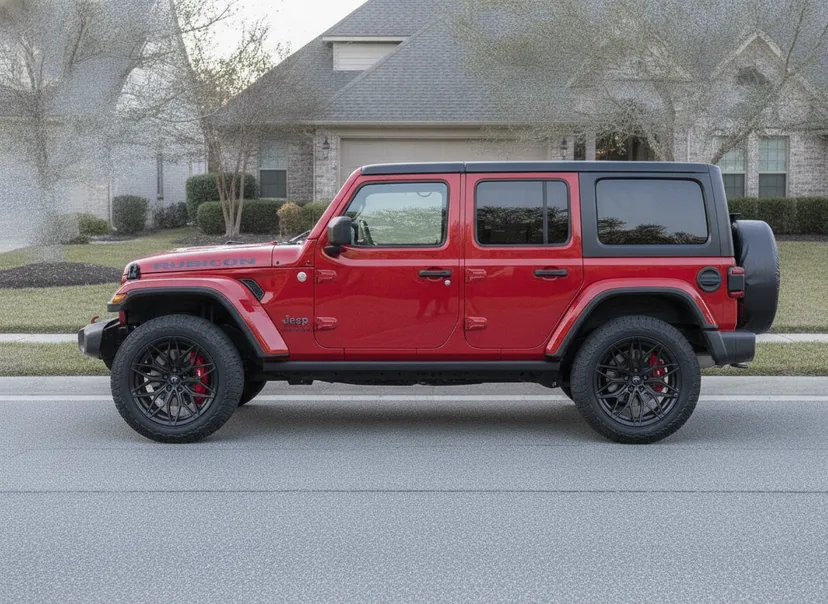 5x127 (5×5″) · TJ 5x114.3
Jeep Wrangler Wheel Visualizer
Negative-offset culture, 35s and 37s, the TJ pattern change — and remembering the spare has to match.
Open the visualizer →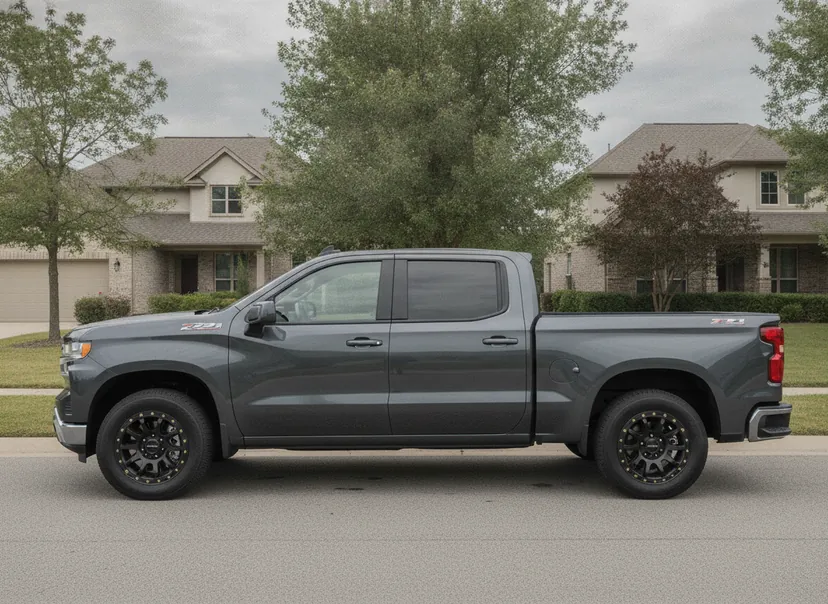 6x139.7 · 17–22″ OEM
Chevrolet Silverado 1500 Wheel Visualizer
Six-lug fitment shared with the GMC Sierra, leveling-kit stance, and the 22″ High Country look.
Open the visualizer →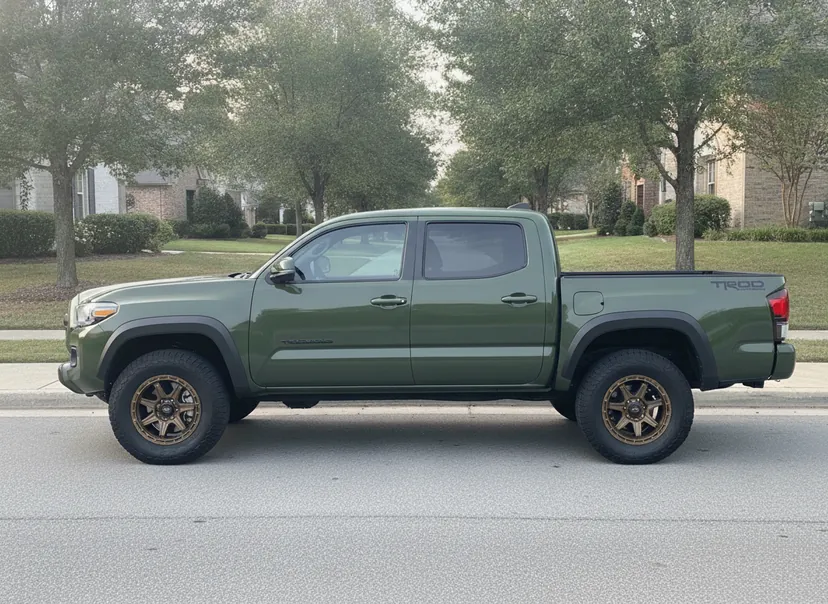 6x139.7 · 16–18″ OEM
Toyota Tacoma Wheel Visualizer
Lift, negative offset and 33s, the bronze-wheel trend — and the fourth-gen center-bore change.
Open the visualizer →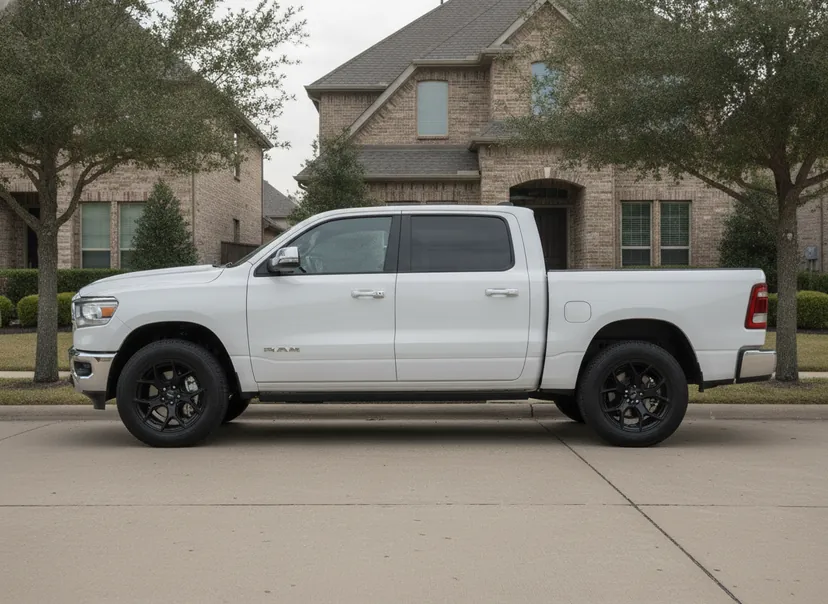 6x139.7 DT · 5x139.7 Classic
Ram 1500 Wheel Visualizer
The crucial split: the 2019+ DT is six-lug, the older DS "Classic" is five-lug. Check the body first.
Open the visualizer →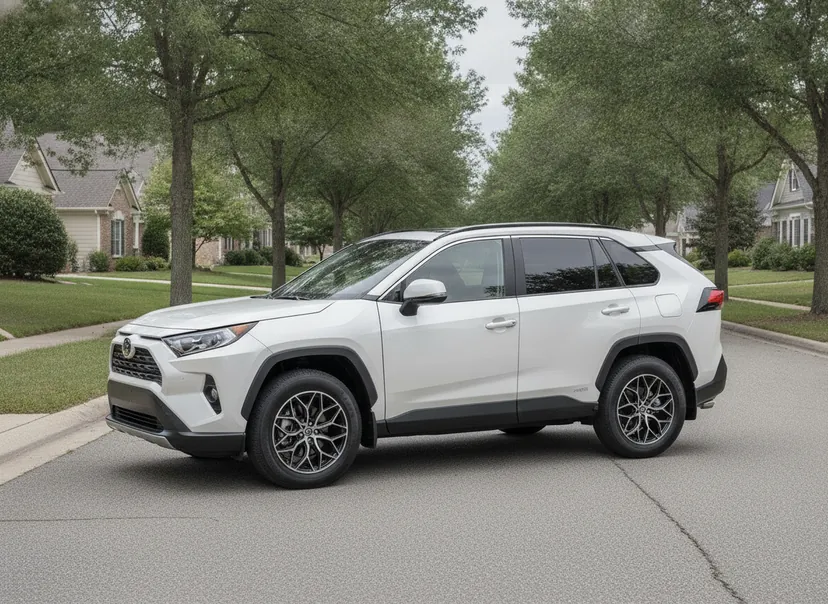 5x114.3 · 17–19″ OEM
Toyota RAV4 Wheel Visualizer
One pattern across the XA40 and XA50, the hybrid load-rating angle, and the TRD/Adventure look.
Open the visualizer →Every car has its own fitment story. The bolt pattern that fits a Civic won't touch an F-150, the number changed from one M3 generation to the next, and a Model 3 pays for a bigger wheel in range rather than in fuel. These pages cover what actually matters for 14 popular vehicles — bolt pattern, center bore, factory wheel and tire sizes by generation, and the gotchas owners run into when they go shopping for a set.
You don't have to be on this list, though. WheelPeek works from a photo of any car: the AI reads the make, model, bolt pattern and OEM sizes straight out of the picture, matches them against 1,600+ real aftermarket wheels from 30 brands, and renders your shortlist onto your own car in about ten seconds. Pick any vehicle above, or just open the app.
WheelPeek reads your car's make, model, bolt pattern and OEM sizes from a photo — it does not identify which wheels are on it.
Any car works — the AI reads yours from a photo
Your vehicle doesn't have to be on this list. Open the beta, add a photo, and WheelPeek identifies the car and its fitment before you pick a single wheel.
Try WheelPeek free in your browserHow it works
Three steps, a couple of minutes, and nothing to install:
- Add a photo of your car. Snap or import a shot — a clean side or three-quarter angle in even light works best — or generate a demo car if yours isn't in front of you.
- Pick real wheels. The AI reads your car's make, model, bolt pattern and OEM sizes, then FITS badges flag which of the 1,600+ catalog wheels suit it, with a Decision Score for fitment and brake clearance.
- Render and compare. A photoreal HD image replaces your photo in about ten seconds. Line up favorites on a 2×2 or 3×3 sheet — same car, same angle — or share a numbered voting card and let friends reply with a number.
Check the numbers before you pick a wheel. The free fitment tools run in the browser too: the wheel offset calculator converts offset and backspacing and shows how far a wheel pokes, and the tire size calculator compares overall diameter and speedometer error against the usual 3% guideline.
See it on your own car
Stop guessing from studio photos. Add a photo, swap in real wheels, and get a photoreal render in about ten seconds.
Free during betaRuns in your browser~10s per render